Portrait Tattoo
What is a Portrait Tattoo?

What is a Portrait Tattoo?
Portrait tattooing has evolved dramatically since its early days in Chicano culture, where prison artists used limited tools to create striking likenesses of loved ones and religious figures. Today, portrait tattooing benefits from advanced equipment, superior inks, and decades of accumulated knowledge about how photorealistic imagery behaves in skin over time.
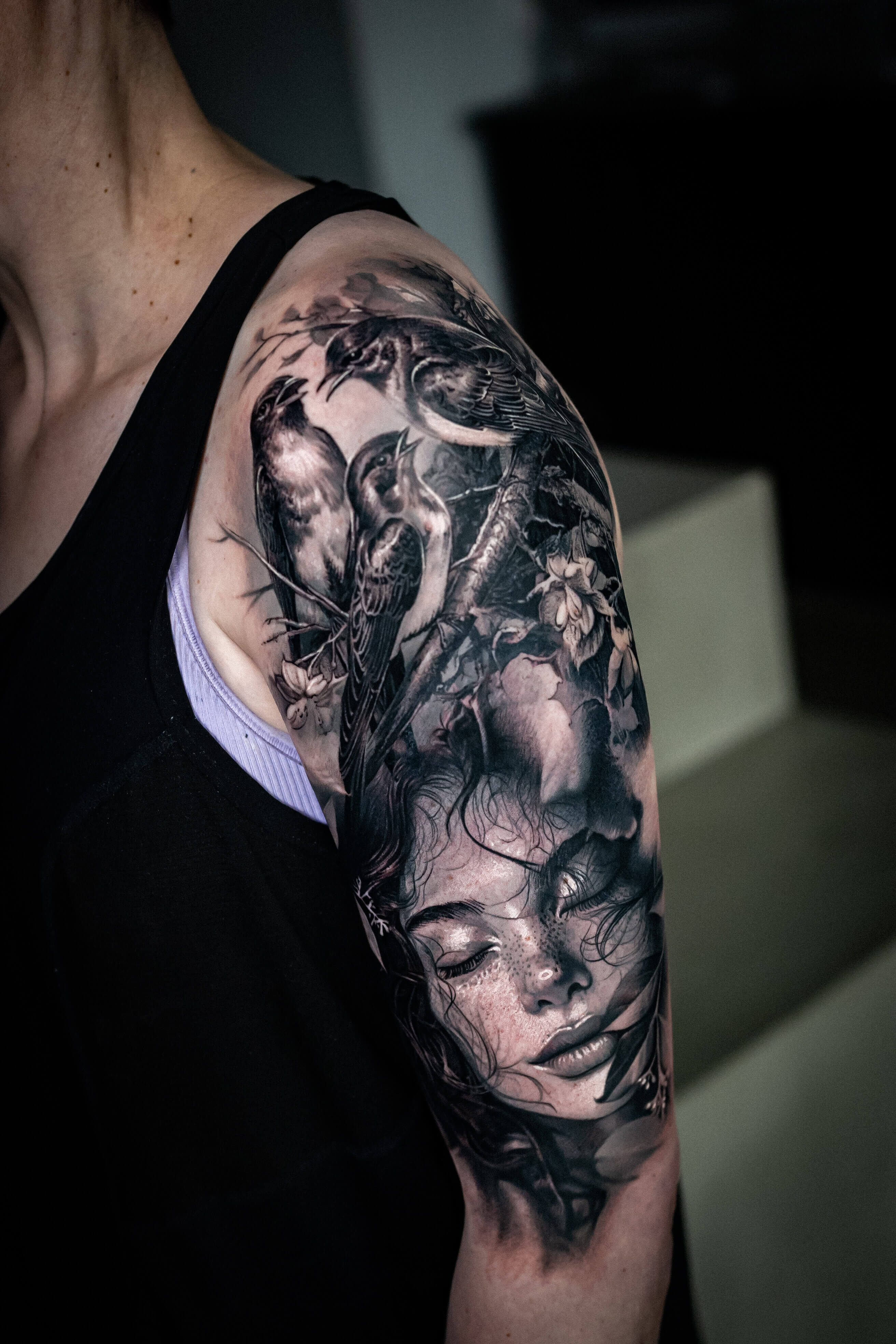
Realistic Portrait Tattoo: Aims to replicate a photograph as faithfully as possible on skin. This is the most technically demanding form, requiring an artist who understands facial anatomy, proportional relationships, and the behavior of light on three-dimensional surfaces. Can be executed in black and grey or full color.
Pet Portrait Tattoo: Dog portrait tattoos are the most commonly requested, followed by cat portrait tattoos. Pet portraits present unique challenges — fur texture requires different shading techniques than human skin, and capturing the specific character of an animal demands an artist who genuinely understands animal anatomy.
Memorial Portrait Tattoo: Among the most meaningful tattoos an artist can create. These pieces honor individuals who have passed away, serving as permanent reminders of love, connection, and legacy. Often incorporate dates, meaningful quotes, or symbolic objects.
Baby Portrait Tattoo: Babies have proportionally larger foreheads, smaller features, and softer definition than adults, making accurate representation more difficult. Successful baby portraits work from high-quality photographs with clear lighting.


Choosing the Right Reference Photo
The quality of a portrait tattoo begins with the reference photograph. Even the most skilled artist cannot overcome a poor source image.
Lighting quality is paramount. Photos with clear, directional light create defined shadows and highlights that translate directly into tattoo shading. Natural light photographs typically provide the best tonal range.
Resolution and clarity matter enormously. High-resolution photographs allow the artist to reproduce subtle details — individual eyelashes, the texture of stubble, the pattern of an iris.
Expression and pose should reflect how you want to remember the subject. A candid photograph that captures a natural smile will produce a more emotionally powerful tattoo than a stiff, posed image.
Multiple reference photos can be valuable. An artist may use one photo for the primary pose while referencing others for specific details like hair texture or eye color accuracy.
Portrait Tattoo Ideas and Inspiration
Family tribute portraits — individual or composite portraits of parents, grandparents, or children, often incorporating meaningful dates or symbolic elements.
Pet memorial portraits — lifelike renderings of beloved dogs, cats, or other animals, sometimes combined with paw prints or names.
Cultural icon portraits — musicians, actors, athletes, or historical figures who hold personal significance.
Self-portraits and partner portraits — increasingly popular among couples capturing a shared moment.
What Makes a Great Portrait Tattoo Artist?
Anatomical accuracy — proportions should be correct, features should be in their proper positions, and the overall structure of the face should feel natural. Even slight errors in eye spacing or mouth placement can make a portrait look wrong.
Smooth tonal transitions — the shading should flow seamlessly from dark to light without visible bands, patches, or needle tracks.
Capturing expression — the best portrait artists capture the emotional quality of the subject. The eyes should appear to have life, and the expression should feel genuine.
Healed work consistency — always ask to see healed photographs, not just fresh work. A portrait that looks stunning fresh but falls apart during healing is not successful. Healed work reveals true mastery.
For related styles, see our realism tattoo guide, black and grey realism guide, and micro realism guide.


Portrait Tattoo Placement Guide
Forearm: One of the most popular placements for portrait tattoos. The relatively flat inner surface provides an ideal canvas, and forearm skin typically holds detail well and heals cleanly.
Upper arm and shoulder: Provides a larger canvas suitable for more elaborate portrait compositions or multiple portrait pieces. Easily covered with clothing when desired.
Chest: Portraits placed over the heart carry obvious symbolic significance. Offers a large, relatively flat surface ideal for detailed work.
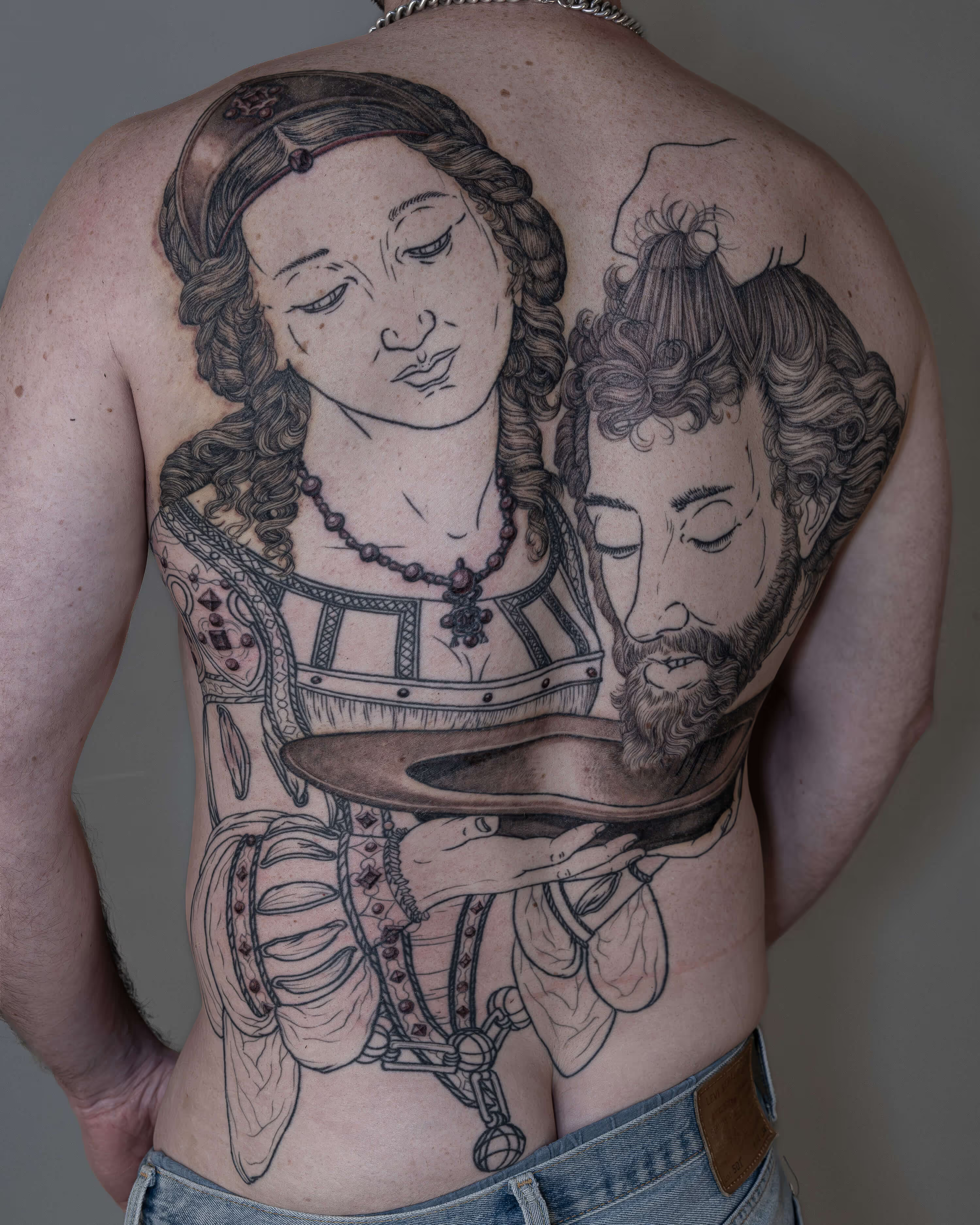
Back: Offers the largest available canvas for portrait work. Large-scale back portraits can achieve a level of detail and impact that smaller placements cannot match.
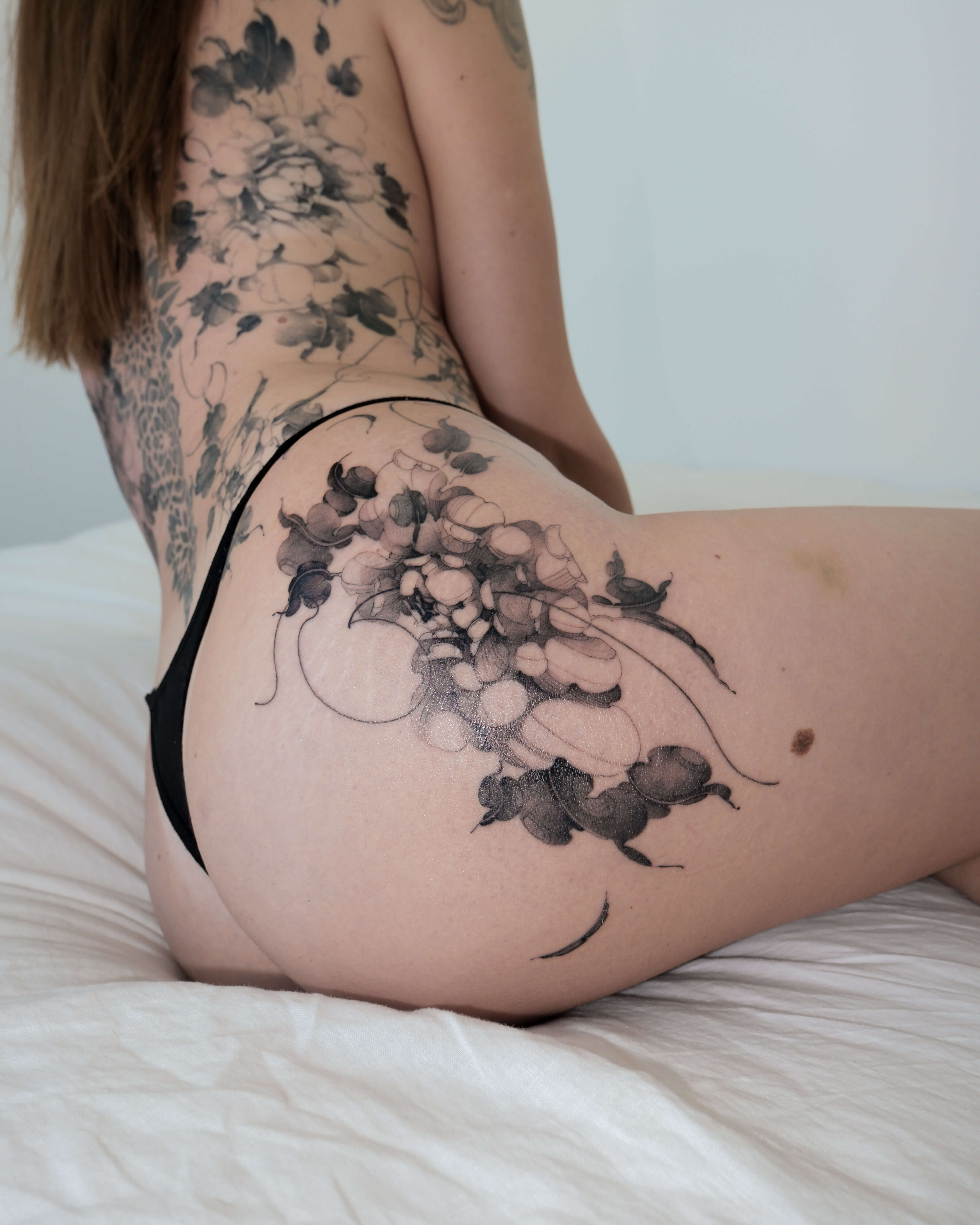
Thigh: Increasingly popular, particularly among women. Offers a generous, relatively flat surface with good skin quality for holding detail.
The Portrait Tattoo Process

Micro Portrait vs. Full-Size Portrait
Micro portraits bring portraiture to a smaller scale, with artists creating recognizable likenesses in areas as small as 2-3 inches. As tattoo ink migrates over years, fine details in small tattoos can lose definition faster than in larger pieces. Clients considering micro portraits should discuss long-term expectations with their artist. See our micro realism guide and realism tattoo guide. Browse all tattoo styles at Monolith Studio.


Portrait Tattoo Studio in Brooklyn, NYC — Monolith Studio
At Monolith Studio in Brooklyn, portrait specialists bring years of dedicated experience to every commission. Located at 77 Washington Avenue, Brooklyn, NYC 11205, we prioritize consultation and custom design, ensuring every portrait is tailored to the individual client's vision.
What sets Monolith's portrait work apart:
- Artists with genuine fine art and photography backgrounds
- Specialists in both human portraits and pet portrait tattoos
- Memorial portrait commissions handled with care and sensitivity
- Full custom work from your reference photos
- Brooklyn studio — accessible from all five boroughs and Manhattan
Looking for the best portrait tattoo artist in NYC? Book your consultation at Monolith Studio.

Frequently Asked Questions
- How realistic can a portrait tattoo actually be?
In the hands of a skilled artist with good reference material, portrait tattoos can achieve remarkable photorealism. However, skin is not paper — have realistic expectations and discuss them with your artist. - Will my portrait tattoo still look good in 10 years?
Black and grey portraits age particularly well. Color portraits may experience some fading. Sun protection is the single most important factor in long-term preservation. - Can you do a portrait from an old or low-quality photo?
Experienced artists can often work with imperfect reference material, but results are always best with clear, high-resolution photographs. Discuss this during consultation. - What size should a portrait tattoo be?
For a single face with good detail, a minimum of 4-5 inches in height is recommended. Micro portraits are possible but require discussion about long-term expectations.

A portrait tattoo is more than ink on skin — it is a permanent connection to someone who matters. At Monolith Studio in Brooklyn, every portrait commission is treated with the care and technical excellence it deserves. Book a consultation and let's immortalize someone special.
FAQ
A portrait tattoo is a permanent depiction of a specific person, animal, or character that aims to capture a recognizable likeness on skin. Unlike illustrative or stylized tattoos, portrait tattooing demands precise translation of a three-dimensional face into a two-dimensional medium while preserving expression, mood, and personality. The most common subjects are family members, partners, children, pets, and cultural icons — but any face that holds personal significance is a worthy portrait subject. At Monolith Studio in Brooklyn, portrait commissions sit at the intersection of technical mastery and emotional storytelling.
Black and grey realism is the most popular and most enduring approach to portrait tattooing. By relying entirely on tonal variation, black and grey portraits achieve photographic depth and tend to age more gracefully than color work. Color realism delivers vivid lifelike results when executed by an experienced specialist, but requires careful long-term care. Micro realism portraits compress the same techniques into much smaller compositions — ideal for collectors who want a portrait at a more discreet scale. Each style produces a distinctly different result from the same reference photo, and the right choice depends on placement, scale, and aesthetic preference.
Session length varies significantly with size, style, and complexity. A small portrait (3–4 inches) in black and grey realism typically requires 3–5 hours. A medium forearm portrait (5–7 inches) takes 5–8 hours, often across two sessions. A large back, chest, or thigh portrait can require 15–30+ hours over multiple sessions spaced weeks apart to allow healing. A touch-up session 4–6 weeks after the initial appointment is standard practice for portrait work, allowing the artist to refine details once the skin has fully settled.
Session length varies significantly with size, style, and complexity. A small portrait (3–4 inches) in black and grey realism typically requires 3–5 hours. A medium forearm portrait (5–7 inches) takes 5–8 hours, often across two sessions. A large back, chest, or thigh portrait can require 15–30+ hours over multiple sessions spaced weeks apart to allow healing. A touch-up session 4–6 weeks after the initial appointment is standard practice for portrait work, allowing the artist to refine details once the skin has fully settled.
Black and grey portraits age exceptionally well — the absence of color pigments means there is nothing to fade or shift, and the tonal composition remains readable for decades when executed properly and protected from sun exposure. Color portraits can also age well but require more attentive long-term care. The single most important factor in preserving any portrait tattoo is consistent SPF 50+ sunscreen use whenever the tattoo is exposed to sunlight. Quality healing during the first month and avoiding aggressive skincare on the tattooed area also contribute significantly to long-term clarity.
Yes — memorial portrait tattoos are among the most meaningful commissions at Monolith Studio. These pieces honor people or animals who have passed away, transforming a permanent mark into a lasting tribute. Memorial portraits are often combined with significant dates, meaningful quotes, birth flowers, or symbolic objects to create a complete commemorative composition. The studio approaches memorial work with particular care and discretion, understanding the emotional weight these commissions carry. The process begins with a thorough consultation to discuss who the subject was, what you want to remember about them, and how the piece should feel.
The forearm is the most popular portrait placement — large enough for genuine detail, visible enough to remain a meaningful daily presence, and a relatively flat canvas that holds detail well over time. The upper arm and shoulder accommodate larger and more elaborate compositions. The chest carries specific emotional resonance for memorial pieces, placing the subject permanently over the heart. The back offers the largest available canvas for ambitious portrait projects or multi-portrait compositions. The thigh has become increasingly popular, particularly for women, offering generous canvas area with reliable healing and good long-term skin quality.
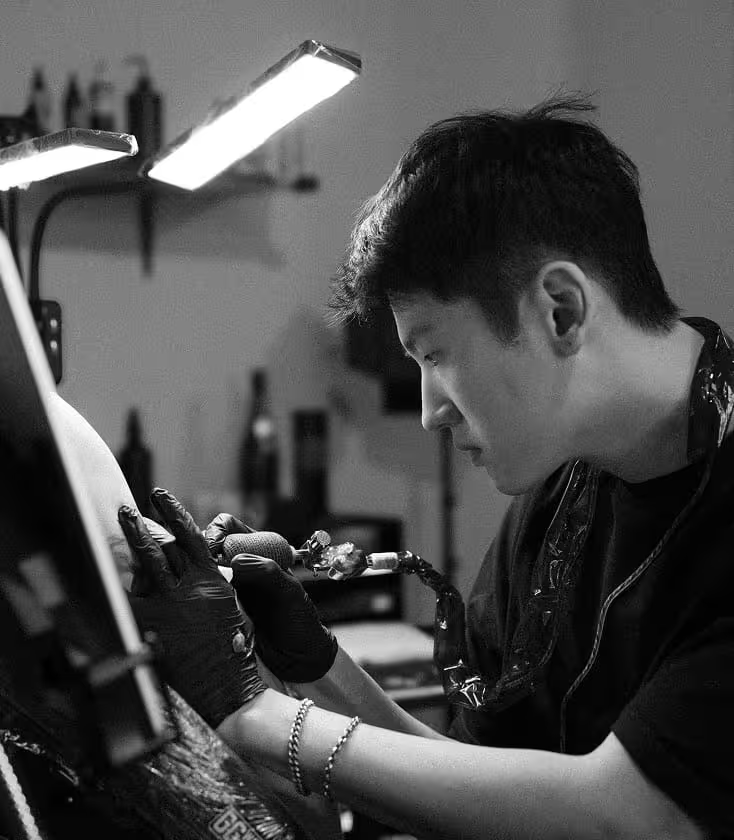
Stevo, Oksu, and DIM are Monolith Studio's portrait specialists in Brooklyn, NYC. Each brings deep mastery of facial anatomy, tonal precision, and the emotional sensitivity that great portrait tattooing demands. They work across human portraits, pet portraits, and memorial commissions in both black and grey realism and full color. Explore their portfolios at monolithstudio.com/artists.
Artists

.avif)


Related Styles
.jpg)